

TPCB Faculty
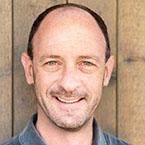
Andres Leschziner, PhD
Weill Cornell Medicine
Education
PhD, 2000, Yale University
BSc, 1993, McGill University
Research Topics
- Bioactive Small Molecules
- Rational drug design
- High-throughput screening assays
- Chemical probe development
- Macromolecular Structure and Function
- Enzymology
- Cryo-electron microscopy
Therapeutic Areas
- Neuroscience
 The Leschziner lab is interested in understanding the biological roles of macromolecular dynamics. We use structural information obtained by cryo-electron microscopy (cryo-EM) to generate and test mechanistic hypotheses through biophysical, biochemical, and cell biological approaches, and we collaborate extensively with groups with complementary expertise. We have long been interested in chromatin dynamics and intracellular transport, focusing in particular on (1) the mechanism and regulation of cytoplasmic dynein, a large (>1 MDa), dimeric, microtubule-based motor responsible for most transport from the cell periphery toward the interior and for key aspects of chromosome segregation, and (2) how cellular factors regulate the structure and dynamics of chromatin. More recently, we began working on the Parkinson’s disease (PD)–related protein LRRK2, whose mutations are a major cause of familial PD and have also been linked to sporadic disease. Our long-term goal is to understand how LRRK2 dysfunction in cells contributes to PD. We are studying the regulation of LRRK2 to identify new vulnerabilities that could be exploited to develop novel therapeutics.
Read more about Prof. Leschziner’s research on the Weill Cornell website